Publishing one blog post every week used to be enough to grow organic traffic.
Today, it’s not.
Search engines have become significantly better at understanding topics, relationships between content, and overall website expertise. At the same time, AI-powered search experiences such as ChatGPT, Google AI Overviews, Gemini, and Perplexity prioritize sources that demonstrate depth, authority, and comprehensive coverage of a subject.
This shift means that isolated blog posts rarely deliver long-term SEO success.
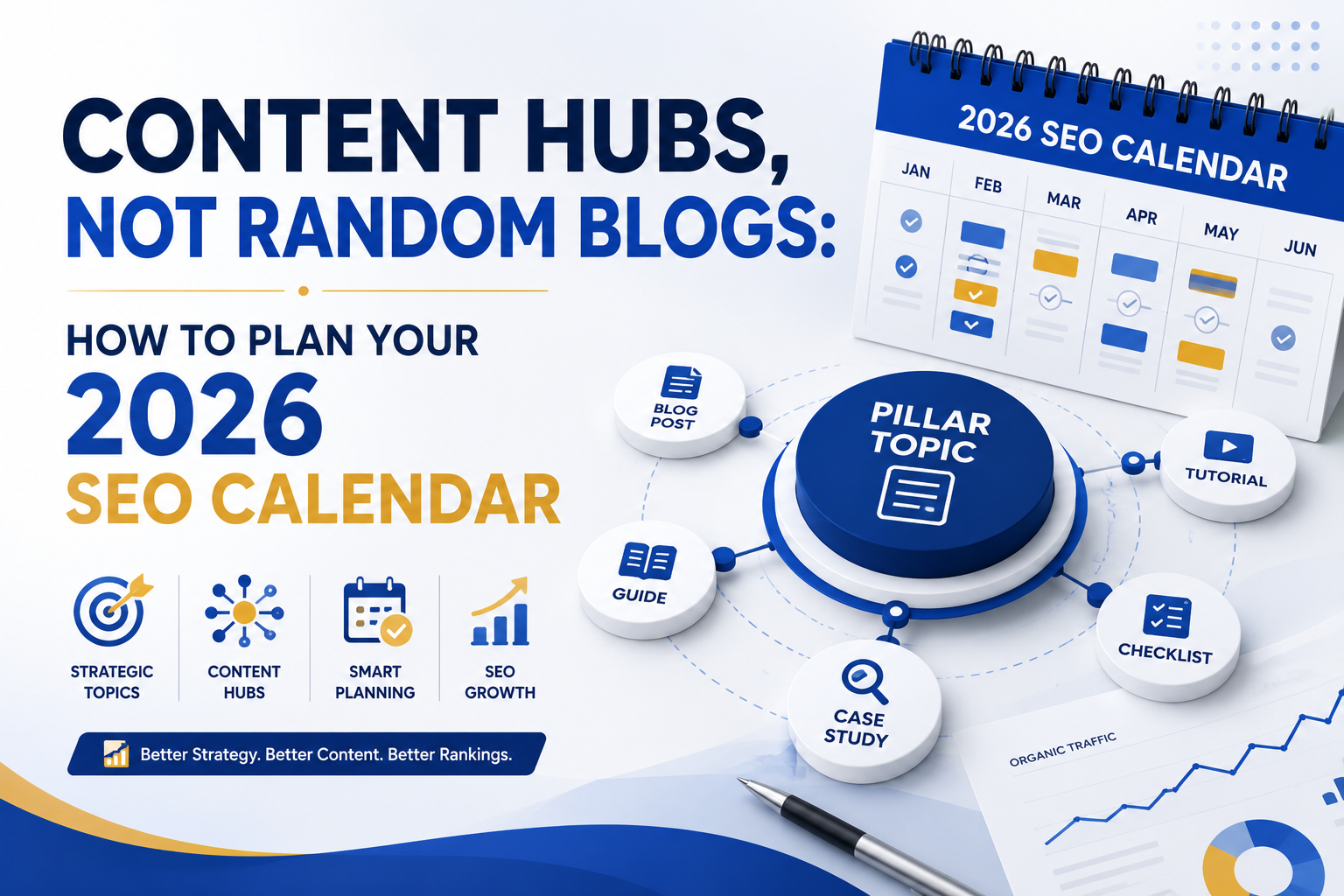
Instead, businesses need content hubs: organized collections of related content built around core topics that matter to both search engines and potential customers.
For B2B companies, this approach improves rankings, strengthens brand authority, and creates a better experience for buyers researching complex services.
In this guide, we’ll explore how to move from random blogging to strategic B2B content planning, build effective topic clusters, and create an SEO strategy for 2026 that generates sustainable organic growth.
Why Random Blogging No Longer Works
Many businesses still follow an outdated content strategy.
The process often looks like this:
- Write about whatever is trending.
- Publish when time allows.
- Target different keywords every week.
- Rarely revisit older articles.
- Hope traffic increases over time.
While this may produce occasional wins, it usually results in a website filled with disconnected content that lacks topical authority.
Search engines increasingly reward websites that demonstrate expertise across an entire subject, not just individual keywords.
For example, publishing one article about customer support software does not establish authority. Publishing a comprehensive collection of related articles covering customer support strategy, KPIs, AI tools, onboarding, outsourcing, automation, and best practices does.
Depth matters.
What Is a Content Hub?
A content hub is a central collection of related content built around one primary topic.
It typically includes:
- A comprehensive pillar page
- Supporting blog articles
- Case studies
- Guides
- Checklists
- FAQs
- Videos
- Templates
- Internal links connecting everything together
Instead of competing with each other, every piece of content supports the broader topic.
This structure helps both users and search engines understand your expertise.
Content Hubs vs. Random Blog Posts
| Random Blogging | Content Hub Strategy |
| Individual keyword focus | Complete topic coverage |
| Limited internal linking | Strong interconnected pages |
| Inconsistent publishing | Structured content planning |
| Short-term traffic spikes | Long-term organic growth |
| Difficult to scale | Easy to expand over time |
| Weak topical authority | Strong subject expertise |
A content hub turns your website into a trusted resource rather than a collection of unrelated articles.
Why Topic Clusters Matter in 2026
Search engines now evaluate websites based on topical relevance as much as keyword optimization.
A topic cluster groups multiple articles around one core subject.
For example, a pillar page about “B2B Lead Generation” could include supporting articles such as:
- Cold Outreach Personalization at Scale Using Data Research and AI
- Building High-Converting Landing Pages for B2B Service Offers
- LinkedIn Outreach Strategies for B2B Sales
- Email Follow-Up Best Practices
- Sales Funnel Optimization
- Lead Qualification Frameworks
- CRM Best Practices
Each article answers a different question while reinforcing the authority of the entire cluster.
This approach increases opportunities to rank for both broad and long-tail search queries.
How AI Search Is Changing Content Strategy
Traditional SEO focused heavily on keywords.
AI search focuses more on understanding context, expertise, and complete answers.
Platforms like ChatGPT, Gemini, and Google AI Overviews often summarize information from authoritative sources that cover topics comprehensively.
This means businesses should create content that:
- Answers common customer questions
- Explains concepts clearly
- Uses logical headings
- Includes examples
- Provides practical advice
- Connects related topics
Content hubs naturally align with these requirements.
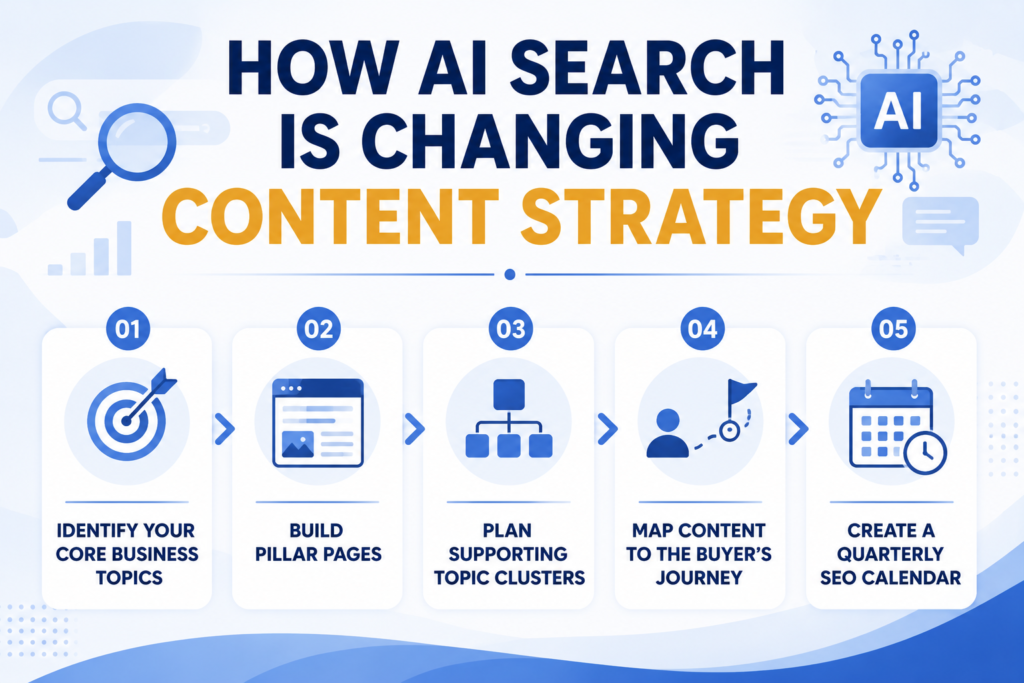
Step 1: Identify Your Core Business Topics
Start by identifying the major topics your ideal customers care about.
For a B2B service company, these might include:
- Lead Generation
- Customer Support
- Sales Development
- Outsourcing
- AI Automation
- Business Process Optimization
- Digital Marketing
- Operations Management
Each of these becomes a future content hub.
Rather than chasing hundreds of unrelated keywords, focus on becoming an authority within these areas.
Step 2: Build Pillar Pages
Every content hub should begin with one comprehensive pillar page.
A pillar page provides a complete overview of a broad topic while linking to more detailed supporting articles.
Example:
Pillar Topic: Customer Support
Supporting content might include:
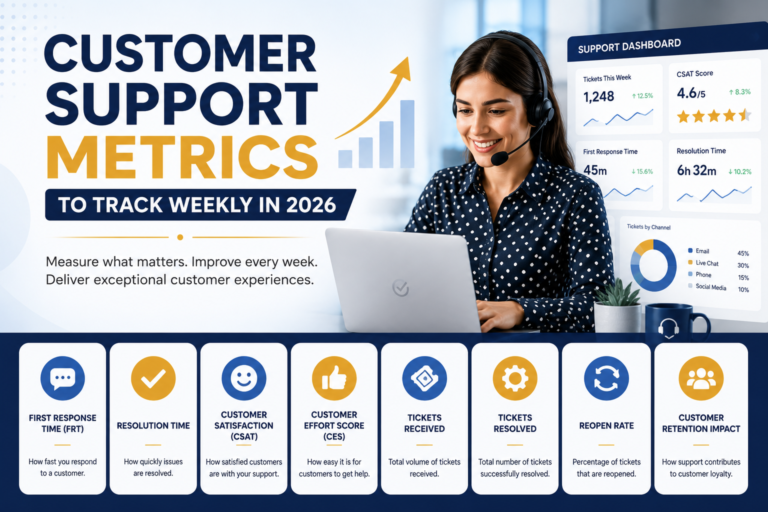
- Customer Support Metrics to Track Weekly
- Building a Customer Support Knowledge Base
- AI in Customer Support
- Outsourced Support vs. In-House Teams
- Customer Onboarding Best Practices
- Support Team Training Guides
- CSAT Improvement Strategies
The pillar introduces each topic while directing readers to dedicated resources for deeper insights.
Step 3: Plan Supporting Topic Clusters
Once your pillar page is complete, identify related search questions your audience is likely to ask.
For example, under “SEO Strategy” you could create articles covering:
- Content auditing
- Keyword research
- Internal linking
- Technical SEO
- Landing page optimization
- AI search optimization
- Local SEO
- Content refresh strategies
Together, these articles create topical authority that is difficult for competitors to replicate.
Step 4: Map Content to the Buyer’s Journey
Not every visitor is ready to purchase immediately.
Your B2B content planning strategy should support every stage of the buying journey.
| Buyer’s Stage | Content Examples |
| Awareness | Educational blogs, industry trends, how-to guides |
| Consideration | Comparisons, frameworks, templates, checklists |
| Decision | Case studies, service pages, FAQs, pricing guides |
A balanced content calendar ensures you’re attracting both new visitors and high-intent buyers.
Step 5: Create a Quarterly SEO Calendar
Instead of deciding what to publish every week, plan your content months in advance.
An example quarterly plan could include:
Month One
- Publish one pillar page
- Create two supporting blogs
- Update existing articles
Month Two
- Publish three additional cluster articles
- Add internal links
- Refresh metadata
Month Three
- Release a case study
- Create downloadable resources
- Optimize high-performing content
This structured approach produces consistent growth without overwhelming your team.
The Importance of Internal Linking
Internal links are the foundation of every successful content hub.
They help:
- Guide readers to related resources
- Improve website navigation
- Distribute page authority
- Help search engines understand topic relationships
- Increase average session duration
Every new article should strengthen your existing content rather than stand alone.
A good rule is to link naturally between pillar pages and supporting content wherever it provides additional value.
Keep Existing Content Fresh
Publishing new articles is only part of an effective SEO strategy for 2026.
Refreshing existing content often delivers faster results.
Update:
- Statistics
- Screenshots
- Examples
- Internal links
- FAQs
- Search intent
- Calls to action
Search engines reward content that remains accurate and relevant.
Measuring Content Hub Success
Content performance should be evaluated using multiple metrics.
Track:
- Organic traffic
- Keyword rankings
- Click-through rate
- Average engagement time
- Internal link clicks
- Lead generation
- Demo requests
- Conversion rate
Rather than focusing only on page views, evaluate how your content contributes to business outcomes.
Common Mistakes to Avoid
Many organizations struggle because they prioritize publishing frequency over strategy.
Avoid these common mistakes.
Writing Without a Content Plan
Publishing random topics creates fragmented authority.
Every article should support a larger content objective.
Ignoring Internal Links
Standalone articles miss opportunities to strengthen topical relevance.
Connect related resources whenever possible.
Targeting Too Many Unrelated Keywords
Trying to rank for everything usually results in ranking for very little.
Focus on topics closely aligned with your expertise.
Neglecting Older Content
Existing articles often contain valuable authority.
Refreshing and expanding them can generate stronger SEO gains than publishing entirely new content.
Measuring Only Traffic
Organic traffic matters, but conversions matter more.
Track how content contributes to leads, pipeline, and revenue.
Example Content Hub Structure
Imagine a B2B outsourcing company building a hub around “Customer Support.”
The structure might include:
Pillar Page
- Complete Guide to Customer Support Outsourcing
Supporting Articles
- Customer Support Metrics to Track Weekly
- Building a Knowledge Base That Actually Saves Your Team Time
- Customer Support SOP Templates
- AI for Customer Service
- Live Chat Best Practices
- Omnichannel Customer Support
- Customer Retention Strategies
Together, these articles create a valuable resource center that serves both search engines and potential customers.
How IDEAIFY Solutions Helps Businesses Build Content That Performs
At IDEAIFY Solutions, we believe successful SEO is built on strategy rather than volume. Instead of publishing disconnected blog posts, we help businesses create structured content ecosystems that establish authority, improve search visibility, and support long-term growth.
Our approach combines keyword research, audience insights, topic cluster planning, SEO writing, and content optimization to develop resources that perform across traditional search engines and AI-powered discovery platforms. By aligning every piece of content with business objectives, we help organizations attract qualified traffic and convert visitors into customers.
Frequently Asked Questions
1. What is a content hub?
A content hub is a collection of interconnected content focused on a central topic. It usually includes a pillar page and multiple supporting articles linked together to demonstrate topical authority.
2. What is the difference between a content hub and a topic cluster?
A content hub is the overall resource center, while topic clusters are the supporting pieces of content connected to the main pillar page.
3. Why are content hubs important for SEO in 2026?
Search engines and AI-powered search platforms increasingly reward websites that demonstrate expertise through comprehensive topic coverage rather than isolated articles.
4. How many articles should a content hub include?
There is no fixed number. Most effective hubs begin with a pillar page and expand gradually with 8 to 20 supporting articles based on audience needs and search opportunities.
5. How often should content hubs be updated?
Review pillar pages and supporting content every three to six months to ensure statistics, examples, internal links, and recommendations remain current.
6. Do content hubs improve lead generation?
Yes. By addressing buyer questions at every stage of the customer journey, content hubs build trust, increase engagement, and guide visitors toward conversion-focused pages.
7. Can small businesses use a content hub strategy?
Absolutely. Small businesses often benefit the most because focusing on a few core topics allows them to build authority more efficiently than competing across dozens of unrelated subjects.
Conclusion
The future of SEO belongs to businesses that prioritize depth over volume. Instead of publishing disconnected articles in the hope of attracting traffic, successful organizations are building content hubs that showcase expertise, answer customer questions, and strengthen search visibility over time.
A thoughtful SEO strategy for 2026 combines pillar pages, topic clusters, strategic internal linking, and purposeful B2B content planning to create a website that serves both search engines and decision-makers. Beyond improving rankings, this approach builds trust, supports conversions, and positions your business as a credible industry resource.
As search continues to evolve with AI-powered experiences, investing in well-structured content ecosystems will help ensure your website remains discoverable, relevant, and valuable for years to come.